
A prebuilt webinar funnel can reduce the technical work, but it does not automatically bring qualified visitors or sales. Here's what to verify before deciding whether John Thornhill's Ambassador Program fits your business.
Affiliate disclosure: Partner to Wealth may earn a commission if you make a qualifying purchase through the Ambassador links in this article. There is no promise that purchasing a program or using a funnel will produce income. Please review the current offer, pricing, terms, and refund conditions before making a decision.
A prebuilt funnel sounds appealing when you are trying to learn affiliate marketing and build an online business at the same time. But the real question is not simply whether the pages are already made. It is what remains your responsibility after those pages are provided.
John Thornhill’s Ambassador webinar funnel is presented as part of an affiliate-marketing system built around an evergreen webinar and related marketing resources. That can reduce some setup work. It does not automatically supply qualified traffic, guarantee that anyone attends the webinar, or ensure that a purchase generates a commission.
This guide examines the practical work a prospective participant should expect: checking the current package, understanding the visitor journey, setting up compliant follow-up, tracking real results, and deciding whether the overall commitment fits their budget and experience.
An evergreen webinar is a recorded presentation that visitors can access through a repeatable registration and viewing process. It may feel simpler to operate than arranging a new live presentation each time, but a recorded webinar still needs an appropriate audience and a functioning route from the initial click to the next action.
The published Ambassador Program materials describe a licensed webinar funnel with assets such as a registration page, thank-you page, presentation, and checkout stage. They also describe additional resources, including a lead-generation report, email follow-up materials, and traffic training. Exact inclusions and conditions can depend on the offer or enrollment route; confirm what appears on the current presentation and checkout rather than assuming every sales page describes an identical package.
First, you are evaluating Ambassador as a prospective buyer. The Partner to Wealth referral link in this article takes you toward a vendor-controlled introductory presentation about the opportunity. Watching that presentation is not the same as owning or operating its marketing assets.
Second, an enrolled participant may receive rights to implement a different webinar funnel described by the vendor for promoting its Partnership to Success offer, subject to the actual purchase terms. Understanding this distinction helps you ask the right questions about your license, your responsibilities, and which customer purchases could be commissionable.
It helps to understand the basic path:
That sequence is a framework, not a prediction that visitors will register, watch, or buy. If you need a broader foundation first, read How to Build a Simple Affiliate Marketing Funnel for Beginners.
The phrase done for you can make two different promises sound alike. A product can provide substantial ready-made assets without operating your entire business for you. Before enrolling, distinguish the deliverable from the activity required to make use of it.
| Resource or stage | What you still need to verify or manage |
|---|---|
| Webinar registration page | Who the page is intended for, how you send visitors to it, and whether the message matches your content. |
| Thank-you page and presentation | Access, user experience on mobile, accurate expectations, and what visitors are told will happen next. |
| Offer and checkout | Current price, installment or recurring terms, inclusions, refunds, and commission attribution where relevant. |
| Lead magnet and email materials | List ownership, permissions, provider integrations, message accuracy, and whether any sequence needs customization. |
| Traffic and implementation training | Your actual time, chosen audience, promotional budget, practical execution, and measurement. |
| Affiliate or JV resources | Which rights are granted, which recruitment methods are permitted, and how the related tracking works. |
These are questions to verify, not guarantees about the contents of a particular purchase. The official sales presentation is the source for current entitlements; the purchase terms govern what you are actually buying.
Our earlier article on when a done-for-you affiliate funnel makes sense covers the general tradeoff between prebuilt systems and building your own. Here, the focus is the specific work behind the Ambassador webinar journey.
Start with the version of the offer you are actually being shown. A promotional webinar, a standard enrollment page, and a special campaign may not present the same price or bonuses. Do not treat an older screenshot or a quoted commission amount as your complete purchase agreement.
Check these details before entering payment information:
None of these questions should be dismissed as unnecessary. The Federal Trade Commission’s consumer guidance on business and coaching offers recommends understanding what you will do, how money would be made, what expenses you would incur, and when profitability might be possible. This is prudent due diligence for evaluating any online-business program; it is not an allegation about Ambassador.
Practical decision rule: If you cannot explain the current offer’s total cost, your obligations, and the first implementation steps in plain language, gather more information before purchasing.
A ready-made registration page cannot solve an audience mismatch. If someone clicked because an article promised a free WordPress tutorial, abruptly sending them to a business-coaching webinar may feel like a bait and switch. Visitors should understand why the webinar is relevant and what kind of offer may eventually be presented.
A beginner-friendly plan starts with one defined audience problem, not five platforms and a large advertising budget. For example, a reader who wants to understand how affiliate funnels work may reasonably welcome an optional webinar about a structured affiliate-marketing system. A reader seeking an unrelated technical fix probably will not.
Before sending traffic, write down:
Our guides to affiliate offer–audience fit and qualified affiliate traffic can help you make that decision. Buying visitors is not a shortcut around understanding their intent.
Your article, email, or advertisement should prepare visitors for the experience ahead. A recorded business presentation should not be described as a personal coaching call, an independent product comparison, or guaranteed access to a profitable business if those claims are not true.
For example, a transparent invitation might say: “If you want to explore a structured affiliate-marketing system, you can review an Ambassador webinar presentation that explains the approach and introduces the program.”
Contrast that with a misleading invitation such as: “Watch this free class and you’ll automatically start earning commissions.” The second sentence promises an outcome neither a funnel nor a class can guarantee.
Also check the presentation yourself before recommending it. Evaluate the time commitment, the main claims, whether a paid offer is introduced, and whether the promises align with the visitor’s reason for attending. Your credibility depends on the complete visitor experience, not only the first landing page.

Ambassador’s published marketing materials describe ready-made follow-up emails. That can save writing time, but prewritten messages still require review. They may need current links, accurate product details, a voice appropriate to your audience, and a schedule that respects the recipient’s expectations.
Before activating any sequence, confirm who collects the registration, who controls the subscriber relationship, whether you can access the lead information, and which email provider or delivery system is supported. Do not assume that receiving email copy means the software, mailing list, and sending permissions are automatically included.
For a consent-based list-building program, review five things:
If you already have a working email service, evaluate whether an additional system would create unnecessary complexity. Do not duplicate subscriber imports or move lists without a clear permission and migration plan.
A referral can pass through several pages, which makes attribution important. A visitor may click your article, register for a webinar, return later, and eventually purchase. Your affiliate program’s rules determine how those actions are tracked and credited.
ClickBank explains that a HopLink identifies the referring affiliate and can use optional tracking IDs to distinguish traffic sources. You should use your own approved tracking link rather than casually copying a vendor’s generic promotional URL or someone else’s registration link.
Record the numbers that help you understand the process:
Do not infer purchases from registrations, or assume a reported commission is already paid income. For an organized approach, see Affiliate Tracking IDs Explained. Before investing in advertising, verify that the link and the attribution path work as expected.
The amount shown on the initial checkout is only one part of the decision. Even if most pages are provided, a participant may still need to budget for a domain, hosting, email tools, content production, optional advertising, and time spent learning and troubleshooting. Some of these may be unnecessary for a particular package; check rather than assuming.
Separate your decision into three buckets:
Then ask what evidence you would need to justify continuing. A campaign might generate visits and registrations without earning enough in realized commissions to cover its costs. That is not evidence that the visitor journey should be scaled immediately.
Never confuse a commission connected to your own purchase with revenue earned from an independent customer. Program rules may also restrict self-referrals. A sustainable business must attract genuinely interested customers and report income accurately.
The right answer depends on what the buyer already knows and is willing to do. The following is a decision guide, not a claim that either group will earn a particular amount.
| Potentially worth evaluating | Reasons to wait or choose another route |
|---|---|
| You want to examine a structured webinar-based affiliate path and can commit time to learning it. | You expect a purchase to create automatic sales without traffic, testing, or effort. |
| You have, or are willing to build, a relevant audience for online-business education. | You have no defined audience and plan to buy large amounts of untargeted traffic immediately. |
| You value provided funnel assets but understand you remain responsible for promotion and accuracy. | You need complete control of every step and would prefer to own and build the entire funnel independently. |
| You can evaluate the full current price and any ongoing commitments without jeopardizing essentials. | You would need to borrow money or rely on quick commissions to cover the purchase. |
If you are still researching the program as a whole, read our existing article, Is John Thornhill’s Ambassador Program a Good Fit for a Beginner?. That guide examines overall suitability; this one concentrates on the webinar funnel and the work required to use it.
You can take this checklist into the current presentation or use it when contacting official support:
The Federal Trade Commission’s affiliate endorsement guidance also makes clear that publishers should disclose their financial relationships with sellers in a way readers can easily notice. Good disclosure is part of a trustworthy recommendation, not a substitute for accurate claims.
Do not ask only whether the webinar sounds persuasive. Ask whether you could actually operate the associated process for the next several weeks.
Imagine this hypothetical situation: a beginner has an existing WordPress blog, a modest email list, and one article that attracts visitors looking for affiliate marketing guidance. That beginner might test a clearly disclosed, relevant webinar invitation and see whether visitors respond. There is no need to assume paid traffic or multiple complicated funnels must be added immediately.
By contrast, someone with no established traffic source, no realistic setup time, and little room for additional expenses might be better served by learning the basics and publishing helpful content before buying another system.
These choices are not judgments about the person’s ambition. They are about the gap between what a product supplies and what a buyer can reasonably put to work.
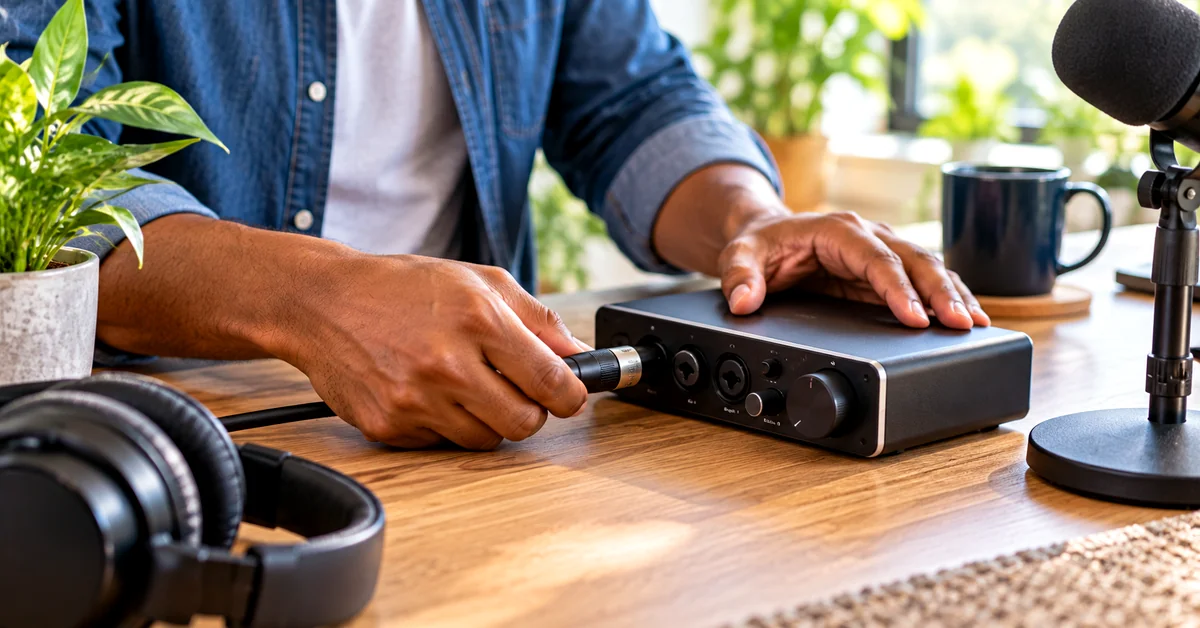
The published offer describes prebuilt funnel components, but you should not interpret that as an automatically operating business. Audience selection, traffic, link verification, message accuracy, permitted email follow-up, and performance evaluation still require attention. Confirm the exact deliverables in the package you are considering.
Not necessarily. A registration process can help develop an audience, depending on how the seller structures the funnel and handles consent. But a new list does not appear without visitors, and you must verify who controls subscriber information and which follow-up permissions apply.
No. Qualified visitors may choose not to register, watch, or buy. Commission eligibility also depends on actual customer activity and program terms. A sales presentation’s results or projections should not be treated as a forecast for a new participant.
A blog can provide useful context before readers decide whether to view a presentation, provided the content is relevant, accurate, properly disclosed, and consistent with the affiliate program’s promotional rules. Review those rules rather than assuming every traffic method is allowed.
Not exactly. A webinar funnel designed to introduce a prospective customer to an offer is different from recruiting other affiliates or joint-venture partners. Those paths can involve different pages, rights, and commission terms. Our separate Ambassador JV opportunity guide discusses the partnership angle; verify the specific program before using either path.
The strongest case for considering the Ambassador webinar funnel is the potential to start with structured promotional assets rather than assemble every stage independently. But the work that determines whether a funnel becomes useful—audience understanding, ethical messaging, follow-up, measurement, and cost control—remains significant.
If the current package matches your needs, budget, and available time, it may be worth investigating further. If the purchase only makes sense under an assumption of fast or guaranteed earnings, that is a reason to wait.
Interested in reviewing the actual presentation? You can use the following Partner to Wealth referral link to explore the Ambassador webinar and check the offer for yourself:
Explore the Ambassador Webinar Presentation
Affiliate disclosure: If you make a qualifying purchase through that link, Partner to Wealth may receive a commission. Your decision should be based on the verified offer details, not an earnings claim or sales pressure. The presentation may lead to paid products.
For more context on why this offer is being evaluated rather than blindly promoted, see Why I’m Testing the Ambassador Program as an Affiliate Offer.
Want to compare your options before choosing a presentation? Visit our John Thornhill Ambassador Resource Hub to explore the Webinar and Workshop pathways, review buyer guidance, and discover our separate PTW Free Report.
Subscribe to get the latest posts sent to your email.
If you found this guide helpful, please tap the Like button and share it with someone who could benefit. Every Like and Share helps more people discover Partner to Wealth.