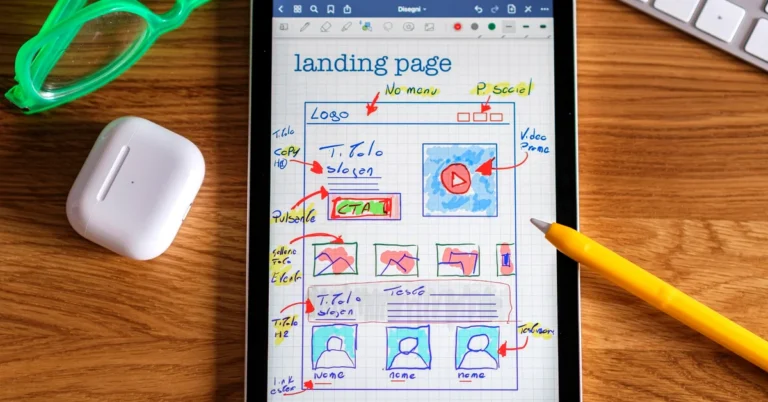
A thank-you page should do more than say thanks. Learn how to confirm an affiliate email opt-in, deliver what was promised, set expectations, and give subscribers one useful next step.
Getting someone to enter an email address is not the end of an affiliate marketing funnel.
It is the beginning of a new stage.
The visitor has just trusted you with permission to continue the conversation, and the page that appears immediately afterward can either make that transition feel clear or leave the new subscriber wondering what happens next.
That is the job of an affiliate thank-you page.
A good thank-you page does not need to be complicated.
It needs to confirm what just happened, deliver or explain how to receive what was promised, set reasonable expectations, and guide the subscriber toward one useful next step.
It is easy to think of a thank-you page as nothing more than a confirmation screen.
But from the visitor’s perspective, it is another step in the journey.
A simple affiliate funnel might look like this:
Traffic → landing page → email opt-in → thank-you page → first email → ongoing follow-up
The thank-you page sits directly between the opt-in and the email relationship.
If that transition is confusing, the subscriber may not know whether the form worked, where the promised resource is, or what they should do next.
If you want a broader view of how these pieces connect, see How to Build a Simple Affiliate Marketing Funnel for Beginners.
The first job is simple:
Tell the subscriber that the action was successful.
Do not make someone wonder whether the form submitted correctly.
A short message such as “Thanks — you’re in” or “Your request was received” can remove that uncertainty immediately.
The wording should match what actually happened.
If the person has successfully joined the list, say so.
If another confirmation step is required, explain that instead.
AWeber’s current documentation explains that a sign-up form can send subscribers to a default or custom thank-you page after submission, with the page serving either to confirm the subscription or help the subscriber complete a confirmation process when required.
You can review AWeber’s official thank-you page guidance.
If the visitor subscribed because you promised a report, checklist, guide, video, resource, or other lead magnet, the transition should make it clear how that person receives it.
That may mean:
The important thing is consistency.
If the landing page promised a resource, the subscriber should not need to hunt for it.
Delivering what you promised is also the first responsibility of the email itself. That idea is covered in What Should Your First Affiliate Email Actually Do?.
The moment after an opt-in can feel valuable because the visitor has just taken action.
That can create a temptation to put everything on the thank-you page:
More options do not automatically make the page more useful.
The subscriber just completed one action.
Give that action a clean conclusion before asking for another.
Once you confirm the subscription and explain how to receive the promised resource, one additional next step can be useful.
That next step should make sense based on why the person subscribed.
Examples might include:
The key word is one.
A thank-you page should reduce uncertainty, not create another decision maze.

The page should feel like a continuation of the promise that earned the email address.
Suppose someone subscribed for a beginner affiliate marketing checklist.
A logical next step might be another beginner resource or a short explanation of what to do with the checklist.
Sending that person immediately to an advanced tracking product would create a different experience.
The same principle applies to the opt-in itself.
As discussed in When Should an Affiliate Landing Page Ask for an Email Address?, the request for an email address should make sense in the context of what the visitor is already trying to accomplish.
The thank-you page should continue that same logic.
A subscriber should have some idea what happens after joining.
You do not need a long explanation.
A sentence or two may be enough.
For example, the page might explain that:
This reinforces the fact that the email address was not collected randomly.
There is a reason for the ongoing communication.
Some email setups require the subscriber to confirm the subscription before the process is complete.
If that is how your list is configured, the thank-you page should explain exactly what the subscriber needs to do.
Do not bury the instruction beneath unrelated content.
Tell the person to:
If helpful, identify the sender name or subject line they should look for.
The easier you make the process to understand, the less likely the subscriber is to assume something went wrong.
An affiliate offer can sometimes belong after an opt-in.
But the subscriber should not feel as though the free resource was merely bait for an unrelated sales pitch.
Before placing an affiliate recommendation on a thank-you page, ask:
If the recommendation does not pass those tests, the thank-you page may be stronger without it.
There is value in simply doing what you said you would do.
The visitor gave you an email address in exchange for a promised benefit.
When the next page is clear, useful, and consistent with that promise, you begin the relationship by reducing friction.
That may seem small.
But trust is often built through small moments of consistency rather than dramatic claims.
You said what would happen.
Then it happened.
A thank-you page should not exist mainly to celebrate the marketer for getting another subscriber.
Think about what the subscriber needs in that moment.
They may be asking:
If the page answers those questions quickly, it is doing useful work.
Do not assume the funnel works because each individual piece looks correct inside the editor.
Test it like a new visitor.
Use a test email address and go through the full process:
This can reveal problems that are invisible when you inspect each tool separately.
The thank-you page may be simple, but it still needs to work on a phone.
Check:
A subscriber should not have to zoom, hunt, or fight with the page immediately after joining your list.

You do not need an advanced analytics system simply because a thank-you page exists.
Start with practical questions.
For example:
If the page has one clear job, measurement becomes easier because you know what behavior you are trying to understand.
A thank-you page can be valuable even if it does not produce an immediate affiliate sale.
Its primary purpose may be to:
If it accomplishes those jobs, it may be doing exactly what the funnel needs.
The email relationship can continue from there.
A beginner-friendly page might contain only five elements:
That is enough for many funnels.
You can always add more later when there is a real reason to do so.
An affiliate thank-you page is a small part of the funnel, but it arrives at an important moment.
The visitor has just raised a hand and asked to stay connected.
Confirm what happened.
Deliver what you promised.
Explain what comes next.
Give one useful next step.
Then let the email relationship continue.
The goal is not to squeeze the maximum number of actions out of a new subscriber immediately.
The goal is to make the transition from visitor to subscriber feel clear, useful, and trustworthy.
Subscribe to get the latest posts sent to your email.
If you found this guide helpful, please tap the Like button and share it with someone who could benefit. Every Like and Share helps more people discover Partner to Wealth.